
14 mai Bridging the gap between Higher Education and the labor market through the TI4DM project
One of the most vital and transformative promises of the international initiative „Talent Inflow 4 Digital Minds” (TI4DM) has always been to ensure that the cutting-edge digital skills students gain will open real doors to tangible professional opportunities. Translating this ambitious promise into reality, however, requires far more than just excellent academic curricula or theoretical training modules. It demands the strategic creation of genuine, lasting, and mutually beneficial relationships with the visionaries and employers who will eventually welcome these students into the modern workforce. This foundational objective was successfully achieved during the recent Transnational Mobility for Employers Partnerships, a landmark event that structurally bridged the gap between European higher education and the corporate landscape.
Bridging the gap between Higher Education and the labor market through the TI4DM project
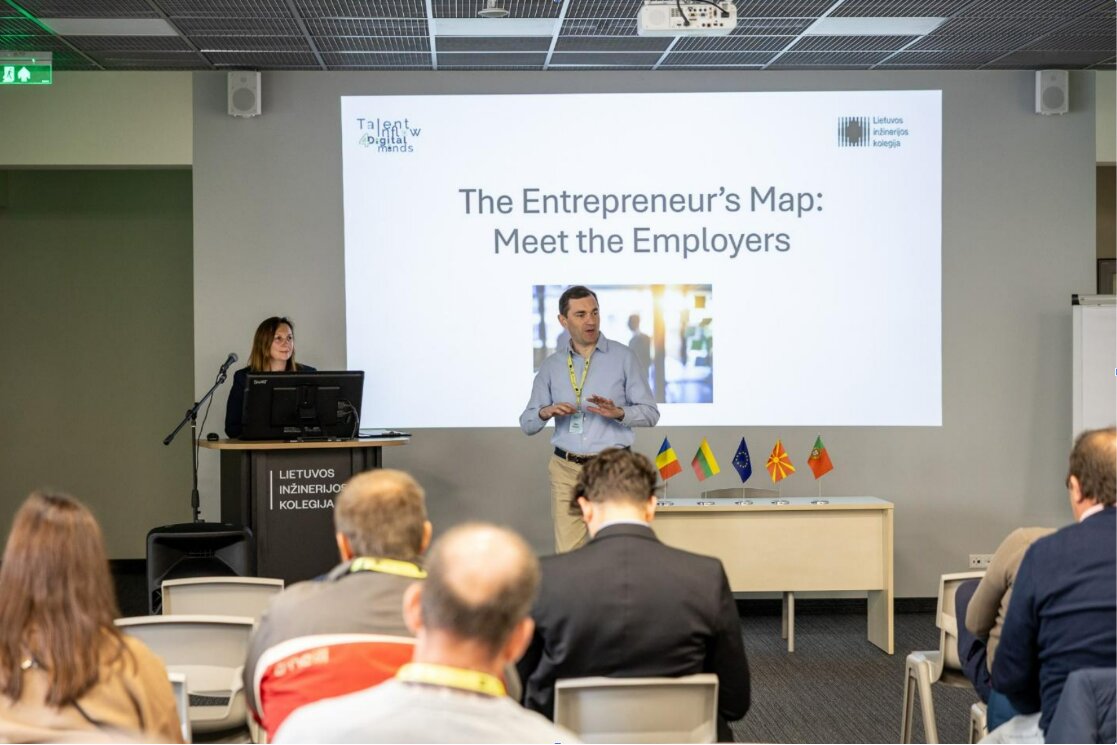
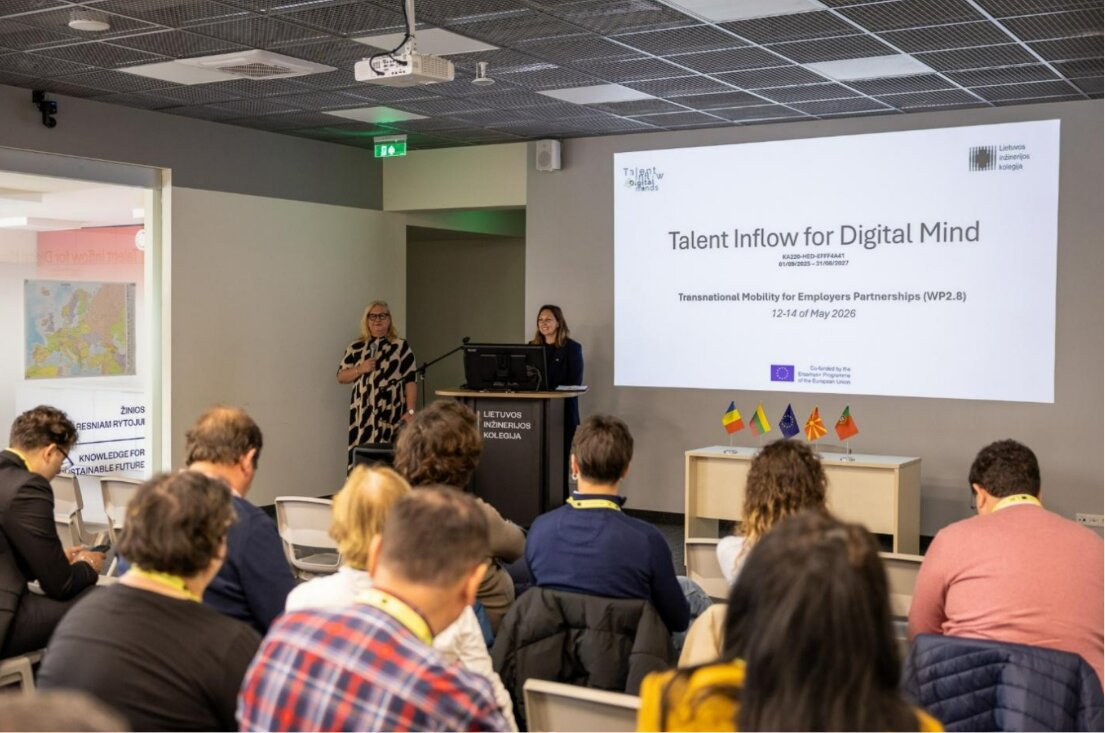
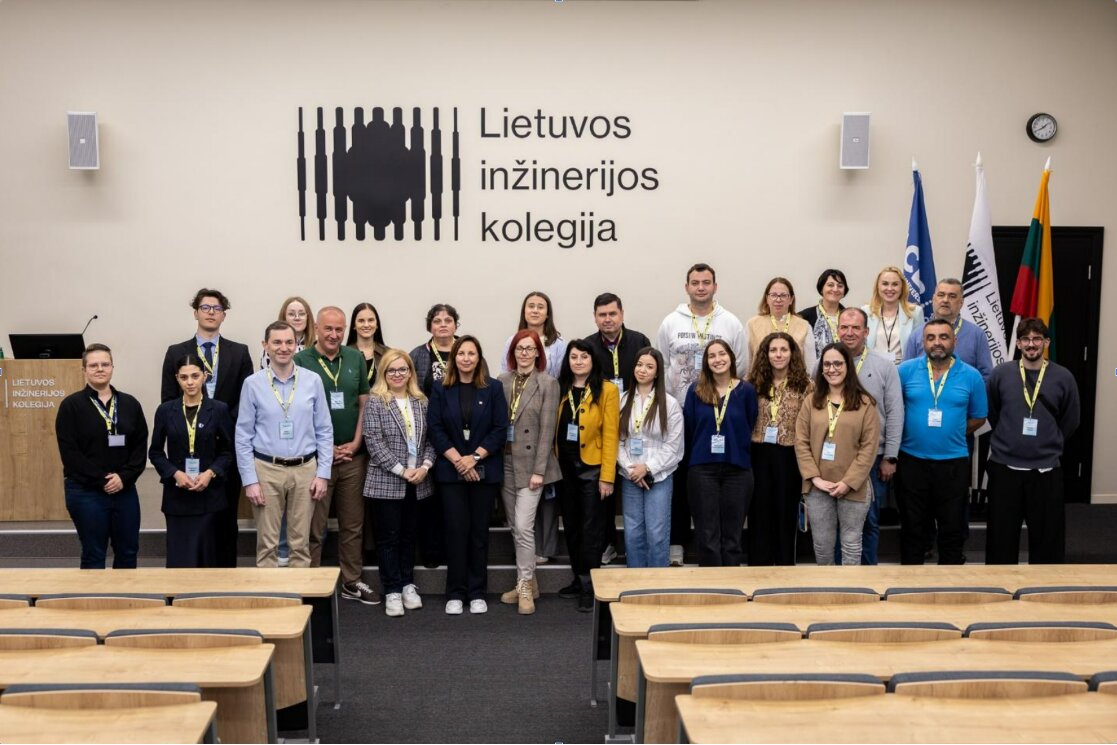
The international mobility took place at Lietuvos Inžinerijos Kolegija in Lithuania, one of the project’s key partner institutions, which proudly hosted an experience that many participants described as genuinely transformative for their organizational vision. Industry leaders, hiring managers, and employers from an exceptionally wide range of economic sectors—representing the diverse professional ecosystems of Romania, Lithuania, Portugal, and the Republic of North Macedonia—traveled to Lithuania to discover firsthand how the Erasmus+ framework operates from the inside. For many of these corporate professionals, the event marked their very first direct encounter with a European higher education project of this scale, revealing an inspiring environment of academic openness, operational ambition, and cross-border synergy that set a powerful tone for all future institutional cooperation.
Throughout the intensive mobility program, participants were fully immersed in a comprehensive, structured agenda designed specifically to connect academic milestones directly to regional and international professional opportunities. Consortium professors proudly presented the ten newly finalized digital courses, allowing industry leaders to explore their internal architecture, specialized content, and the universally accessible design principles underpinning them. This gave employers a crystal-clear understanding of the exact technical competencies and soft skills that graduates will bring to the workplace upon completion. Furthermore, the industry representatives analyzed the project’s newly drafted Report of Good Practices, gaining valuable insights into the rigorous methodologies and collaborative academic standards that shaped the final curriculum. This transparent approach paved the way for open, forward-looking panel discussions regarding student employment, internship placements, and the creation of meaningful, sustainable pathways for graduates to transition seamlessly from the lecture hall to professional life.
Bridging the gap between Higher Education and the labor market through the TI4DM project
Beyond formal curriculum reviews and technical presentations, the event provided a unique and immersive platform for employers to experience European university life from the inside out. They observed how modern higher education institutions connect with their local communities and adapt their infrastructure to prepare students for an increasingly competitive, interconnected world. This immersion sparked substantive dialogues regarding the broader future of education in Europe, focusing heavily on what modern employers truly require from future graduates and how sustained alliances between universities and industry can co-drive technological innovation and regional economic resilience.
In the overarching TI4DM vision, a digitally verifiable certificate is only as valuable as the real-world career opportunities it unlocks for the student. By inviting regional employers into the Erasmus+ conversation as active, strategic partners rather than passive observers, the consortium is building a robust, transnational network of trust spanning four countries and multiple professional sectors. The valuable input, shared expertise, and corporate relationships forged during this successful mobility in Lithuania will feed directly into one of the project’s most anticipated upcoming milestones: the National Employability Fairs. Scheduled to be held independently in each partner country, these high-profile fairs will bring students and employers face to face, officially turning newly acquired digital skills into thriving professional realities across the European continent.